




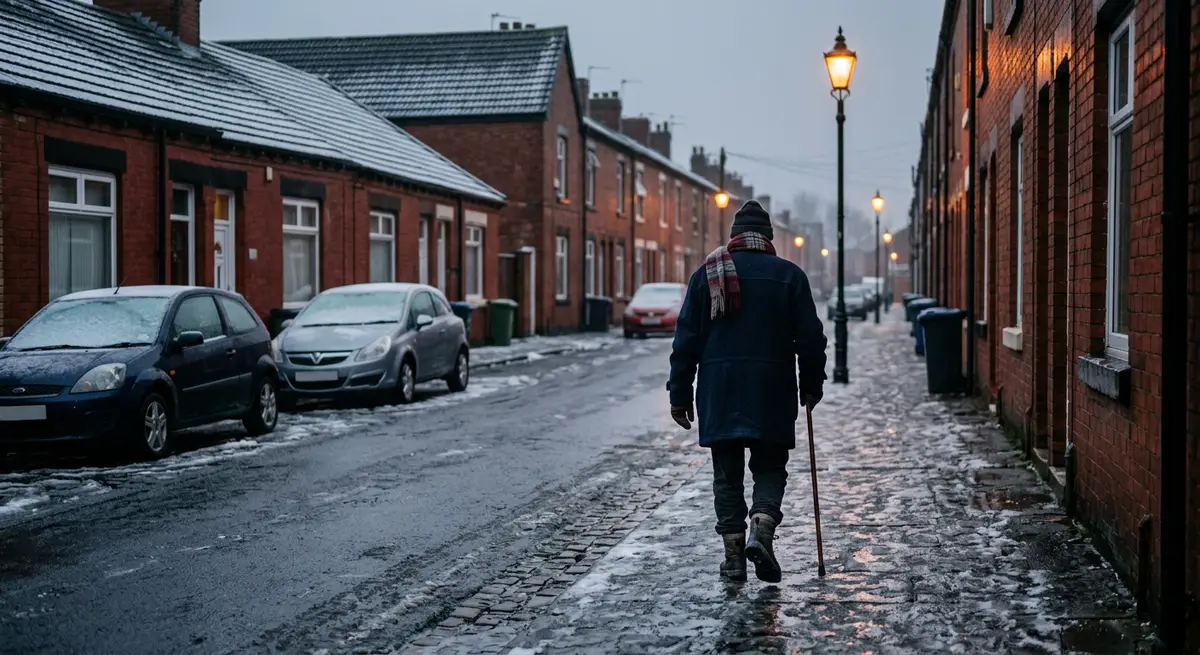
People across Greater Manchester are being urged to look after their health and check on vulnerable neighbours after a cold-health alert was put in place for the North West and forecasters warned of snow.
The UK Health Security Agency (UKHSA) has issued a yellow cold-health alert for the North West, the North East and Yorkshire and the Humber. It came into force at 9pm on Sunday 15 November and runs until 9am on Thursday 19 November. Other regions of England are not affected.
Separately, a Met Office yellow warning for snow and wintry weather covered Greater Manchester and Lancashire from midnight until 11am on Tuesday, the BBC reported.
Why the alert matters
Cold-health alerts are part of the weather-health alerting system run by UKHSA and the Met Office. A yellow alert means the cold is unlikely to affect most people but could harm those who are particularly vulnerable.
The agency says low temperatures increase the risk to people aged 65 and over, those with heart and lung conditions, and other vulnerable groups including people sleeping rough. Cold weather can also push up demand for health and care services, at a time when hospitals are already reporting record A&E attendances and flu has moved above baseline levels.
Paul Coleman, a consultant in public health at UKHSA, said: “Cold weather can have a serious impact on the health of some people, including those aged 65 and over and those with pre-existing health conditions, so it is vital to check in on friends, family and neighbours who are most vulnerable.”
This is the second alert of the season for the region. The first cold-health alert of the 2026 to 2027 winter covered the North West and West Midlands from 12 to 14 November.
Snow, rain and ice
Forecasters said rain overnight on Monday into Tuesday was likely to turn to snow, with ground above 100 metres the most affected. Lower down, any snow was expected to be short-lived.
Met Office chief forecaster Dan Suri said: “Away from higher ground – and so for many people – rain rather than snow will be the main story, although it will continue to feel cold in the North.”
The Met Office also flagged a small chance of power cuts and disruption to roads, railways and mobile phone signal. The Manchester Evening News reported that overnight lows had already dropped to minus 6.5C in Cumbria in recent days, with frosts expected to become more common through the week.
What it means for Manchester readers
Health leaders are linking the cold snap to a wider winter message. Paula Cowan, UKHSA’s regional director for primary care, communities and neighbourhood, said: “Winter is always the toughest time of the year for the NHS.”
She added that people could play their part “by taking simple measures to stay well this winter, such as getting winter vaccines when invited to, keeping warm, staying active, looking out for others, and choosing the right service when they need help”.
Practical steps recommended by health officials include:
- Heating the rooms you use most, such as the living room and bedroom, to at least 18C where possible.
- Wearing several thin layers and keeping active indoors.
- Ordering repeat prescriptions in good time, especially before weekends.
- Checking on older relatives and neighbours, particularly those who live alone or struggle to heat their homes.
- Using a pharmacy or NHS 111 for minor illnesses, and keeping 999 and A&E for emergencies.
Anyone eligible for a free flu, Covid-19 or RSV vaccine is being encouraged to book now. Cold weather tends to coincide with a rise in respiratory infections, and older people with heart or lung conditions face the greatest risk from both.
What happens next
The current alert is due to end at 9am on Thursday, but UKHSA has made clear that more are likely. In its words, the agency “can expect more as we move further into winter”.
The Met Office expects the rest of the week to be largely bright but noticeably colder, with frost and ice a risk on untreated roads and pavements. Residents are advised to check forecasts before travelling and to allow extra time for journeys.


