




MBABANE, Eswatini — When China announced expanded tariff-free access for exports from almost every African country last week, the move was widely welcomed across the continent as another sign of Beijing’s deepening economic influence in Africa.
But one country was missing from the arrangement.
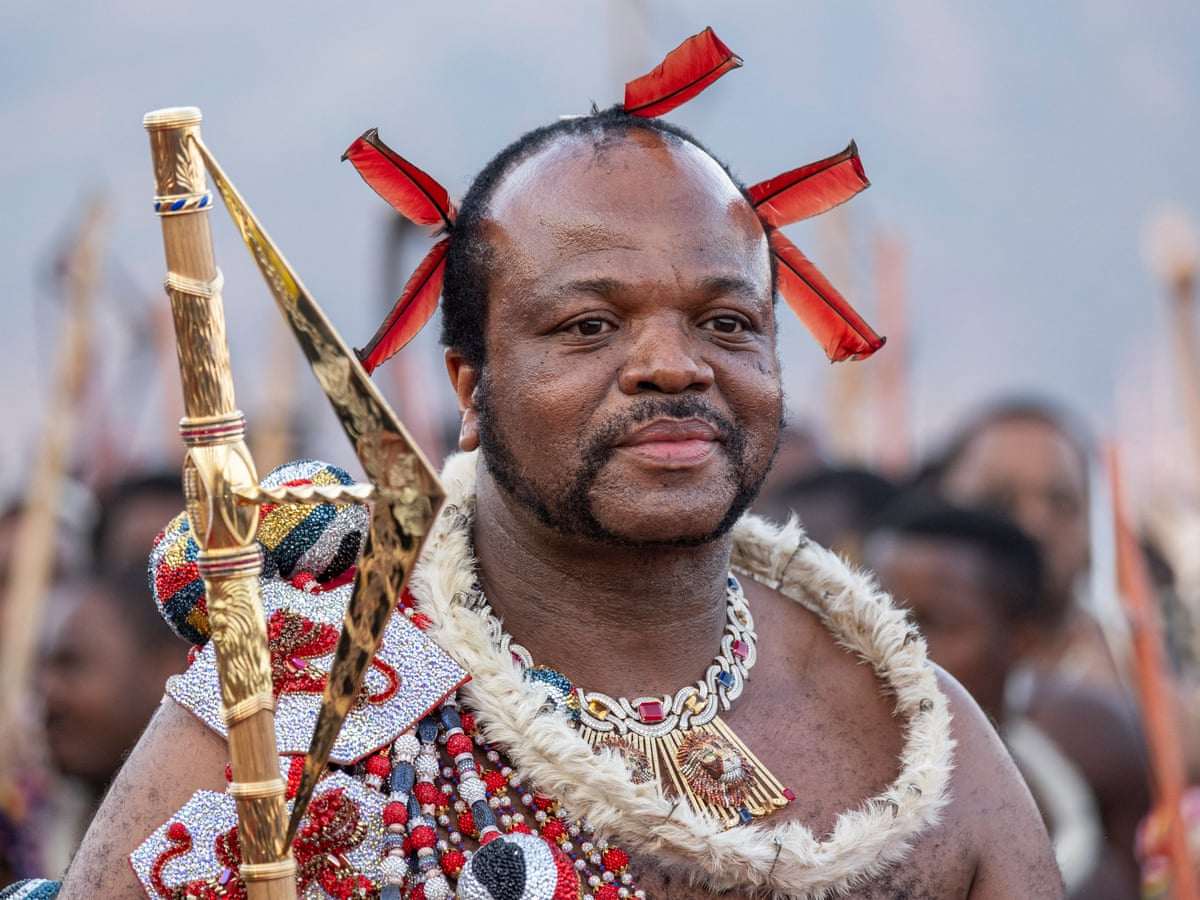
Eswatini, the small southern African kingdom ruled by King Mswati III, remains the only African nation that still maintains formal diplomatic ties with Taiwan instead of Beijing — a position that is increasingly drawing political and economic scrutiny as China tightens its trade relationships across the continent.
For years, Eswatini’s relationship with Taiwan has survived despite Beijing’s growing dominance in Africa. Taiwanese-funded projects in agriculture, education and healthcare remain visible across the kingdom, and officials continue to describe the partnership as rooted in loyalty and long-standing friendship.
Yet across much of Africa, economic realities have shifted dramatically.
China is now the continent’s largest trading partner and one of its biggest lenders, with influence extending into infrastructure, mining, transport and industrial development. Chinese-backed projects have reshaped skylines, rail systems and trade corridors from east to west Africa.
In that changing landscape, Eswatini increasingly stands apart.
The issue has resurfaced following the recent visit to the kingdom by Taiwan president Lai Ching-te, whose trip underscored the strategic importance of Eswatini to Taipei at a time when Taiwan’s diplomatic allies worldwide continue to shrink under pressure from Beijing.
China considers Taiwan part of its territory under the “One China” principle and has spent years persuading countries to sever diplomatic ties with Taipei. Across Africa, every country except Eswatini has now formally recognised Beijing.
Inside Eswatini, opposition voices are beginning to question what that isolation may ultimately cost.
The opposition movement PUDEMO says the kingdom risks missing out on economic opportunities linked to China’s expanding trade and investment reach.

“We are concerned that the current relationship between the monarchy
under Mswati III and Taiwan is driven by narrow interests rather than the developmental needs of emaSwati,” said Brian Sangweni, spokesperson for the movement.
For many African governments, stronger ties with Beijing have brought expanded access to Chinese markets, infrastructure financing and investment flows that have become central to national development strategies.
Eswatini, however, remains outside many of those arrangements.
The government continues to defend its relationship with Taiwan as a sovereign foreign policy choice, arguing that cooperation with Taipei has delivered tangible benefits in sectors such as agriculture, technical training and rural development.
But analysts say the debate is no longer only diplomatic.
As China’s economic footprint continues to deepen across Africa, the question facing Eswatini is increasingly whether political loyalty to Taiwan can continue to outweigh the economic pull of Beijing.
For now, the kingdom is holding its position.
But as Africa’s economic centre of gravity shifts further toward China, Eswatini’s unique diplomatic stance is becoming harder to separate from the economic realities surrounding it.