




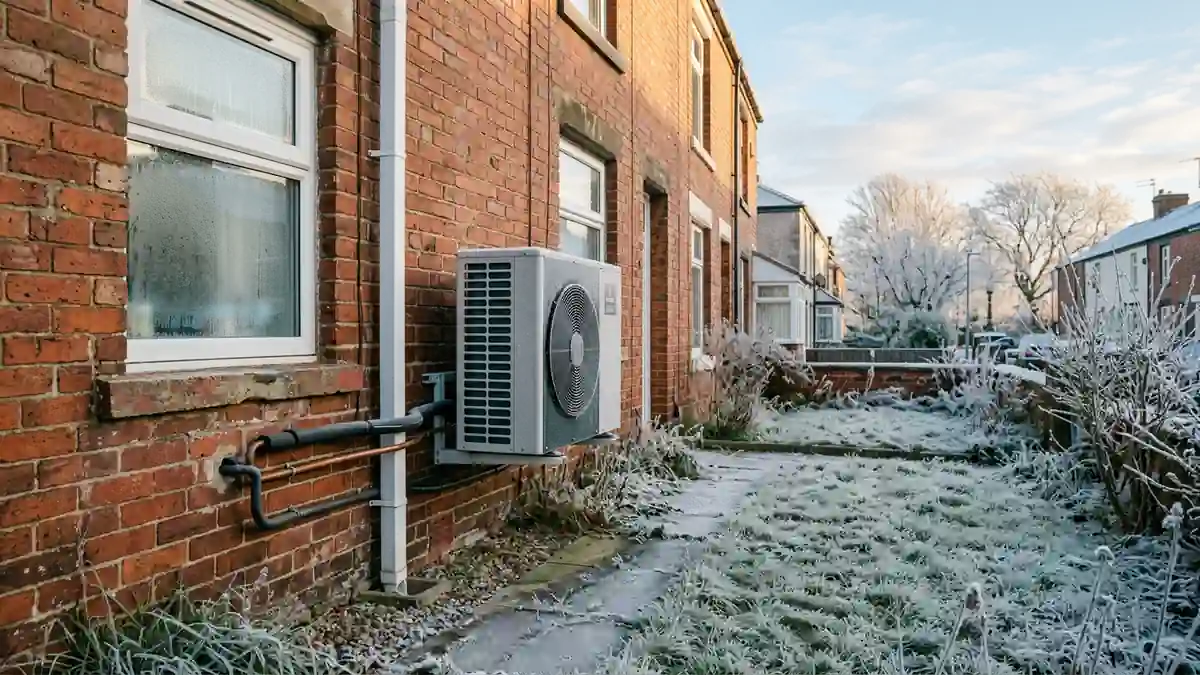
Heat pump grant applications in England and Wales have hit a record high, with households rushing to replace gas boilers before another energy price cap rise arrives in January. Government figures published on 26 November 2026 show that 14,286 households applied to the Boiler Upgrade Scheme in October, according to Octopus Energy, which cited the official statistics. That is the highest monthly total since the scheme opened in 2022.
For anyone weighing up a switch this winter, the numbers tell a clear story: demand is surging, the grant is still available, and the money behind it has been capped. Here is what the figures show, why mains gas households are now driving the boom, and what homeowners should check before signing a quote.
Boiler Upgrade Scheme applications: what the figures show
The Department for Energy Security and Net Zero (DESNZ) published its Boiler Upgrade Scheme statistics for October 2026 on 26 November. Octopus Energy, the largest installer under the scheme, said the 14,286 applications were up 47% on September and more than triple the level of October 2025.
Nesta, the innovation foundation, put the trend in starker terms. Its analysis says applications have tripled in four months, passing September’s previous record and reaching more than three times the monthly rate seen in early summer.
Separately, a UK Progress Atlas summary of the same release reports that a record 5,138 grants were paid in October, taking the total since 2022 to 101,742, of which 101,313 supported heat pumps. Applications are not the same as installations, since vouchers must be redeemed after the work is done, but the pipeline is clearly filling.
Why gas households are now switching to heat pumps
Earlier in the scheme’s life, homes off the gas grid, running on oil or LPG, made up much of the demand. Nesta’s director in sustainable future, Andrew Sissons, said that has changed: “now mains gas households are joining them in big numbers.”
The reason is price. Octopus Energy points to rising wholesale gas prices that are set to push Ofgem’s price cap up by 26% in January. The Energy and Climate Intelligence Unit (ECIU) estimates that energy bills will reach £1,360 this winter for the average home, around £680 more than before Russia’s invasion of Ukraine in 2022. For the least efficient homes it expects £1,670.
The ECIU also notes a split between fuels. Average gas bills are around 2.2 times their pre-crisis level, while electricity bills are about 1.8 times, because cheap renewables on the grid are offsetting some of the increase. That gap is the heart of the case for electrifying heating.
What the suppliers and campaigners say
Greg Jackson, founder and chief executive of Octopus Energy, said more than 14,000 applications in a month “tells you people are ready to switch”. The company says 99.8% of its Cosy heat pump customers can heat their homes for less than they would with a gas boiler, a claim based on its own customer dashboard rather than independent testing. Octopus also reports a 73% jump in customer enquiries about the grant in October and more than 769,000 heat pump enquiries in the 18 months to the end of October.
Readers should treat supplier figures with care: they come from a business that sells heat pumps. Even so, the official application numbers behind them are not in dispute.
Funding cap raises questions for 2027/28
The less comfortable part of the story is money. Nesta notes that the Boiler Upgrade Scheme grant is available for the next three financial years, but that the government has capped funding for 2027/28 at £400 million a year, the same as 2026/27, rather than increasing it as planned before the Budget. In later years the grant will rise in line with inflation.
Nesta argues the cap “makes no sense when demand continues to break records” and wants the Treasury to reverse the freeze. If applications keep climbing at the recent pace, a fixed pot could mean tighter availability later in the scheme, although neither the government nor Nesta has said that vouchers will run out. Households thinking about a switch may want to apply sooner rather than later, but should not rush into a poor-value quote because of that.
Air-to-air heat pumps: a grant that exists on paper
One cautionary detail comes from the British Equality Lab, which examined Ofgem’s quarterly Boiler Upgrade Scheme report published on 27 November 2026. Air-to-air heat pumps became eligible for a grant of £2,500 from 28 April 2026, but the analysis says no such grants have been paid, because there is currently no way for installers to get the certification required.
In practice, anyone hoping to use the scheme for an air-to-air system, which suits smaller homes and flats using direct electric heating, should ask an installer to confirm in writing how the grant will be claimed before paying a deposit.
Other help with heating costs this winter
The heat pump grant sits alongside other support, some of it arriving soon:
- £100 Household Energy Payment: according to GOV.UK, a one-off payment will go to more than 20 million households in England from 4 January 2027, covering council tax bands A to D where the property is the main home, plus certain other groups. A further £100 million Discretionary Fund will help councils support households in hardship who miss out.
- Warm Homes Loan Scheme: trade press reported on 27 November 2026 that Zopa Bank has joined the scheme, offering finance for heat pumps, solar panels and batteries at rates from 3.6% to 4.6% APR over three to 10 years, subject to credit checks. Loans are arranged through participating installers.
- Local grants: the Welsh Government announced a further £19.35 million this year for home energy efficiency on 25 November 2026, and some English councils are promoting Warm Homes Local Grant support for lower-income households. Eligibility varies by area.
Cheaper fixes also matter. Our earlier report on insulation grants and Warm Home Discount changes explains how efficiency measures can cut the amount of heat a home needs, and our guide to protecting pipes in the cold snap covers the basics for the coldest nights.
What to check before you apply for a heat pump grant
Is your home suitable?
A heat pump works best in a well-insulated home with radiators or underfloor heating sized for lower flow temperatures. A good installer will carry out a heat-loss survey and may recommend loft or wall insulation first. The grant is claimed by the installer on your behalf and taken off the quote, so you should see it itemised.
How many quotes should you get?
Prices and system design vary widely. Get at least three quotes from MCS-certified installers, compare the expected running costs rather than only the upfront figure, and ask about the seasonal efficiency the installer expects for your property.
What will it do to your bills?
Savings depend on your current fuel, your home and your tariff. Households replacing oil or LPG are most likely to see clear savings. For mains gas customers the gap is narrower and depends heavily on the gas-to-electricity price ratio, which is exactly what has been moving in recent months. A time-of-use electricity tariff can help, but it is worth modelling your own usage rather than relying on headline claims.
What it means for UK households
The record application figures reflect a mix of fear and opportunity. Fear, because the January price cap rise will land on the average household at the worst point of the year; opportunity, because the grant, falling installation costs (a point Nesta makes) and new finance options make the upfront bill easier than it was.
The open question is policy. With demand tripling and the grant pot frozen, ministers face pressure to say whether the scheme will keep pace. Campaigners including Nesta and Octopus are calling for exactly that. Until there is an answer, the practical advice for homeowners is simple: check eligibility, get several quotes, ask about the grant in writing, and look at insulation and finance alongside the heat pump itself.
We will update readers if the government responds to the calls to lift the 2027/28 funding cap.


