




The Home Office has confirmed plans for a knife licensing scheme that ministers describe as the first of its kind anywhere in the world, requiring every business and private individual who sells knives in England and Wales to hold a licence. The knife licensing scheme, announced on 25 November 2026, will cover everything from machetes to butter knives and kitchen cutlery, and will need new legislation before it takes effect.
What the knife licensing scheme will cover
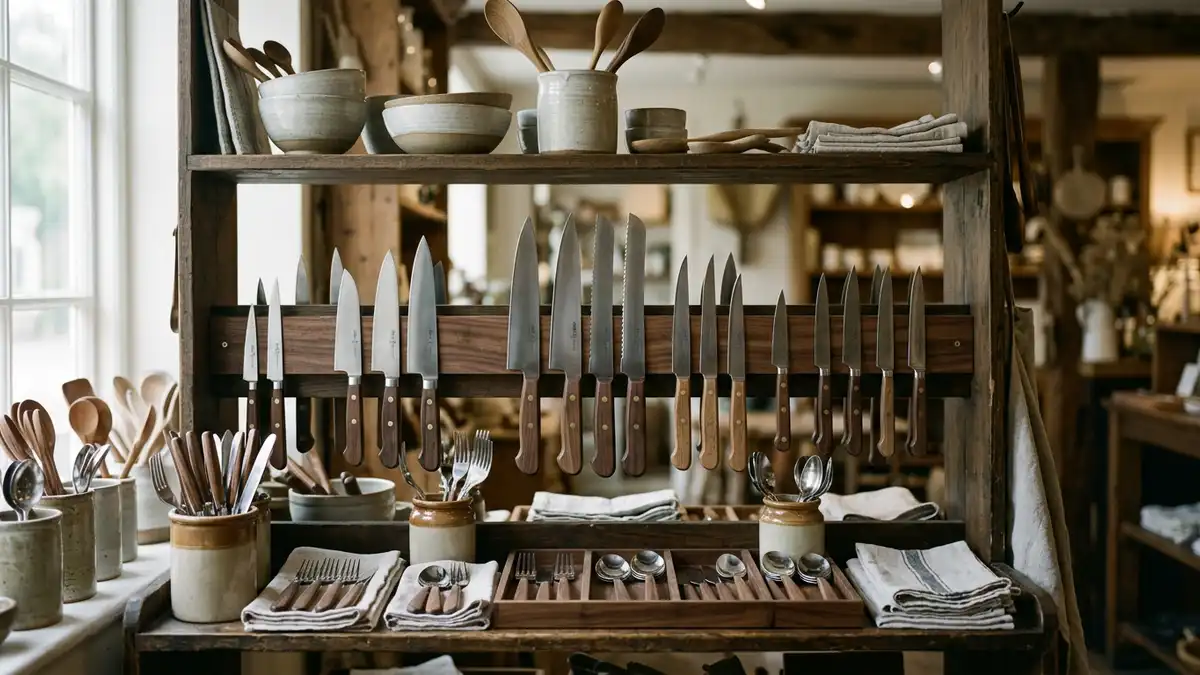
According to the Guardian’s home affairs reporting, shops and online vendors alike will be expected to apply for a licence or risk fines. Unlike schemes elsewhere, which usually target particular types of blade, the Home Office says its regime will apply to the full range of knives. Homeware retailers that sell cutlery are expected to be included, despite reports earlier this year suggesting they would be left out.
The government’s formal response to its consultation, published on GOV.UK on 25 November 2026, sets out why ministers believe the change is needed. Outside Scotland, which already runs a knife dealers licensing scheme for non-domestic knives, anyone can currently sell or import knives without registering. The Home Office says that means police and trading standards officers do not know exactly who is selling them.
How licences would work
Based on the Guardian’s account of the plans, the main features are:
- Licences are expected to last three years, with a fee set to recover the full cost of running the scheme.
- Applicants will face background and criminal record checks by police, in a similar way to firearms licensing.
- Premises could be inspected to confirm knives are stored safely.
- Retail chains will need a separate licence for each store.
- Overseas sellers must use a UK-based intermediary responsible for meeting the rules.
- UK businesses will be able to obtain an import licence, and a combined sales and import licence is being explored.
Police will be able to revoke the licence of any seller who breaches the rules, for example by selling a banned weapon, committing another criminal offence or failing to meet licence conditions. Ministers also intend to create a specific offence of selling knives without a licence, which LBC reports could lead to substantial fines. Police chiefs had recommended tougher penalties for unlicensed selling than for possession, which carries a maximum of four years in prison.
Why ministers are targeting the grey market
The government’s consultation response describes a “grey market” of peer-to-peer sellers, often operating through social media and online platforms, whose activity may be legal or illegal but who offer little accountability. An independent end-to-end review of online knife sales found that knives used in violent offences could be traced back to both established retailers and these informal sellers. Children, the review warned, can obtain blades from such sources without any age verification.
The consultation, launched on 16 December 2025 after the Southport killings, drew 3,551 responses. About 17% came from people who identified as knife sellers, most of them small businesses or private sellers. Since then, ministers have already required two-step age verification for online knife purchases and told sellers to report bulk orders of six or more knives.
Families and campaigners welcome the move
Leanne Lucas, who was stabbed while helping to run a dance class in Southport, said the country had “focused on responding to knife harm after it has happened” and needed to be as determined to prevent it. Axel Rudakubana, jailed for life for the attack, bought a large kitchen knife online. Pooja Kanda, whose 16-year-old son Ronan was killed with a sword near their Wolverhampton home, called the plan “an important step” and said sellers must take responsibility for where weapons end up.
Sarah Jones, the policing minister, said anyone making money from knives should be responsible for selling them safely and lawfully, calling the licensing system another step towards the mission to halve knife crime within a decade.
The knife crime figures behind the policy
Police in England and Wales recorded 48,615 offences involving a knife or sharp instrument in the year ending June 2026. That was down 6% on the previous year, but still 49% higher than in March 2016. The government says licensing is intended to make it harder for dangerous weapons to reach children and criminals.
Local areas are also seeing targeted spending. Thames Valley’s police and crime commissioner announced on 24 November 2026 that it had received more than £600,000 from the Home Office’s Knife Crime Concentrations Fund for hotspot policing in Milton Keynes, Reading and Slough. The wider debate about whether victims and communities are properly served by the justice system is explored in our report on the Victim Survey 2026 findings.
Concerns from retailers, police and collectors
The plans are not without critics. Police officers have warned that a licensing system would add another responsibility to forces that are already stretched, and the Home Office has yet to assess the full cost and administration of the scheme. Shooting and countryside groups have also questioned whether licensing will touch the knives criminals already own.
Antique collectors and military historians have lobbied for protection, and the government is considering limited exemptions for heritage collections, crafts and trades. For small makers, hobbyists and online resellers, the practical questions will be the size of the fee, the length of the application process and whether occasional private sales will be caught. Ministers say the details will follow when legislation is brought forward, though no timetable has been given.
What happens next
None of the new rules are law yet. Parliament must pass legislation before sellers have to apply, and until then the existing age limits remain in force: it has been an offence to sell a knife to anyone under 18 in England and Wales since 2006, in shops and online. For readers in Greater Manchester and across the North West who sell or buy knives, whether in a shop, a market stall or an online marketplace, the message from the Home Office is clear: the era of selling blades without any register is ending.
The same day, the government announced that thousands more offenders will be electronically tagged before they leave prison, with 83 prisons due to be doing so by the end of March 2027. Together, the two announcements show ministers keen to be seen acting on violence ahead of winter. How much difference licensing makes will depend on enforcement, and on whether police forces are given the resources to run it. For the full detail, the government’s consultation response on GOV.UK sets out each proposal and the reasoning behind it, while the Guardian’s exclusive report carries reaction from families.
Readers who sell knives online should keep an eye on the Home Office for the consultation outcome and the timetable for a bill. Anyone wanting to understand how the scheme could affect them, whether as a retailer, a collector or a private seller, should expect the legislation to define who counts as a seller and what exemptions apply. Until that detail is published, the safest assumption is that any regular sale of knives, including cutlery sets and kitchenware, will eventually need a licence, with inspections and checks as part of the process. Campaigners say that, for families who have lost children, that cannot come soon enough, and they will be watching closely to see that the promises made on 25 November 2026 become law.


