




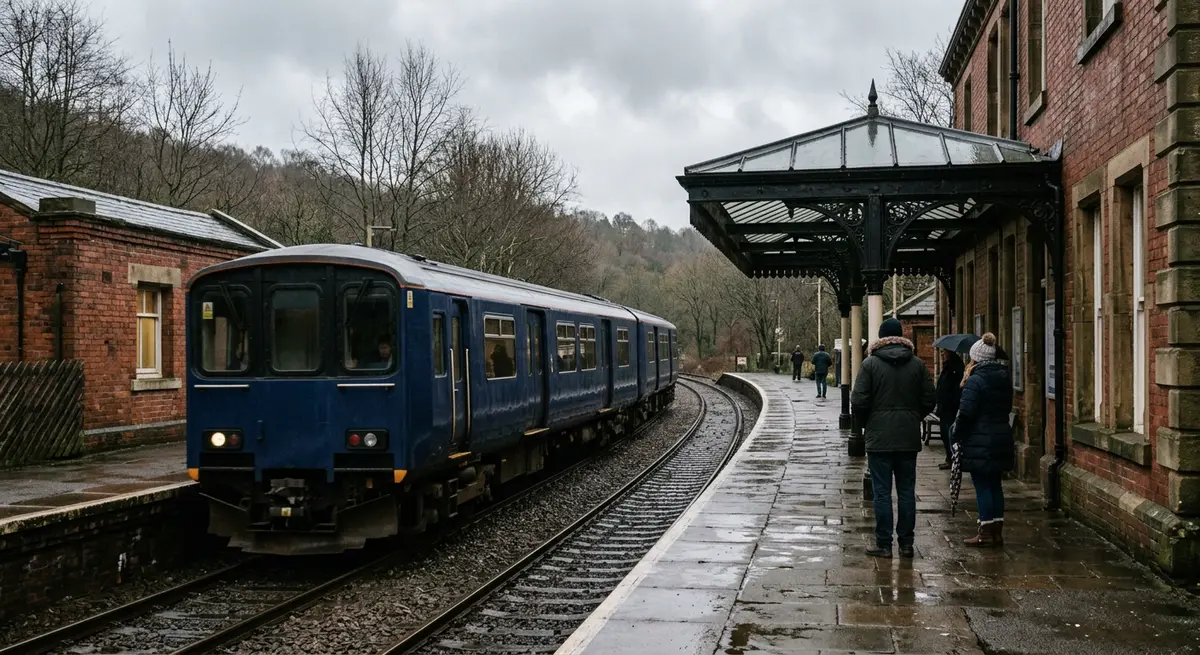
Sunday trains are starting to return to routes across Greater Manchester after Northern and the RMT union settled the railway’s longest-running industrial dispute. The first restored services began running on Sunday 15 November, and more are due this weekend and on 13 December, when the new winter timetable starts.
The agreement, announced on 9 November, ends a row that began in 2017 and left large parts of the North West with thin or unreliable Sunday services. BBC News reported that the deal would bring back between 60 and 80 Sunday services in the first phase, some of which had not run for up to two years. Northern now puts the winter figure at around 70 trains each Sunday, with about 230 restored in total by May 2027.
What was the dispute about?
When the two old northern franchises were merged, staff on the eastern side had Sundays built into their working week, while conductors on the western side worked Sundays as voluntary overtime. That left Sunday services in the North West dependent on enough people volunteering. Rail Business UK reports that nearly a fifth of Northern’s services were being cancelled every Sunday.
Under the new terms, Sundays become part of the committed working week. The 1.5 times overtime rate goes, and conductors’ basic pay rises by 4.25%. Conductors will stay on every Northern train. The union has also agreed that, in future, drivers will open train doors while conductors remain responsible for closing them, though that will only come in as newer trains with the right cab controls replace older ones.
Northern managing director Tricia Williams said: “We know how frustrating the lack of Sunday services has been for many communities. We are committed to bringing services back as quickly as we can, taking a phased approach over the coming months and prioritising those routes and journeys where the impact has been greatest.”
RMT general secretary Eddie Dempsey said the deal was down to “the resolve of our members having fought for years, including multiple days of strike action”.
Which Manchester routes get trains back first
According to Northern’s Sunday timetable page, the early changes around Manchester are:
- Stoke-on-Trent to Manchester Piccadilly: five trains in each direction returned on 15 November, calling at towns including Congleton and Macclesfield. The line had relied on replacement buses on Sundays since December 2024.
- Bolton to Manchester Victoria: 14 additional trains from Sunday 22 November.
- Rochdale to Manchester Victoria: 10 additional trains from 22 November.
- Wigan North Western to Manchester Victoria via Atherton: 10 additional trains from 22 November.
- Manchester Piccadilly to Hazel Grove: some extra trains from 22 November on the Buxton line, which has been running every two hours, with a full restoration by May 2027.
- Blackburn to Clitheroe: further Sunday services from 13 December, restoring the link to Manchester Victoria.
Many other Sunday routes, including Liverpool to Manchester Oxford Road, Southport to Manchester Victoria and Manchester Piccadilly to Glossop, are still running the reduced service introduced in December 2024 for now.
What it means for Manchester readers
For anyone travelling into the city on a Sunday for shopping, the Christmas markets, football or work, the change should mean fewer cancellations and fewer last-minute bus replacements, especially on the Bolton, Rochdale and Atherton lines. The Department for Transport says the extra trains due by mid-December will add around 10,000 seats to the Sunday timetable.
Northern says newly added Sunday trains are confirmed and bookable from the Friday before each Sunday, so journey planners may not show them until then. Passengers should check live information on the day.
What happens next
The new timetable starts on 13 December, and Northern says more Sunday services will be added in stages over the winter and spring. Northern still needs to agree the door-operation changes with drivers’ union Aslef, and those changes can only be introduced as new trains arrive, which industry insiders say strengthens the operator’s case for a fleet order.

